FINLIT · Field Note 01 · Neighborhood
First Neighborhood FINLIT Session
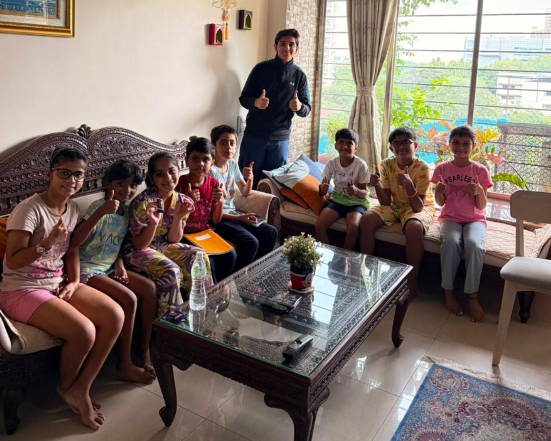
Hearing the giggles of every child - when they saw their childhood cartoons in my presentation - was truly worth every minute I put into finding the perfect cartoon images.
Furthermore, this was a moment of relief. A moment, where I felt that these kids were genuinely enjoying what they were seeing, and weren’t bored.
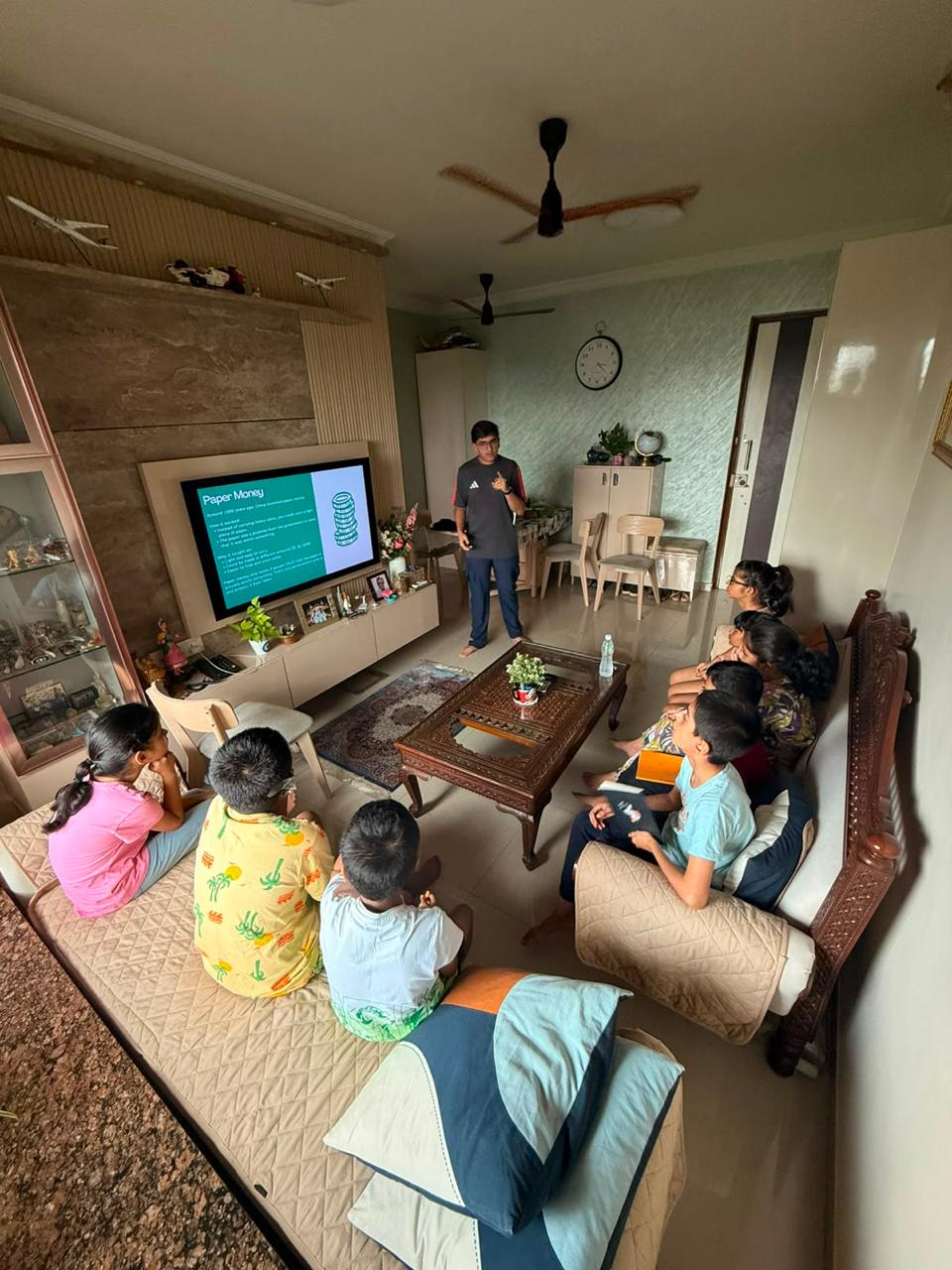
My interest in financial literacy and financial education stems from my deep love for economics. Hence, as a way of spreading knowledge about these fields, I decided to host sessions at my home. Here, I thought of inviting children. The reason I chose to teach children is because they are individuals who are yet to step into the real world. In succinct, they are unbeknownst to potentially any knowledge in these subjects. Therefore, teaching them something that will really help them, come the future, was an idea that invoked an interest within me.
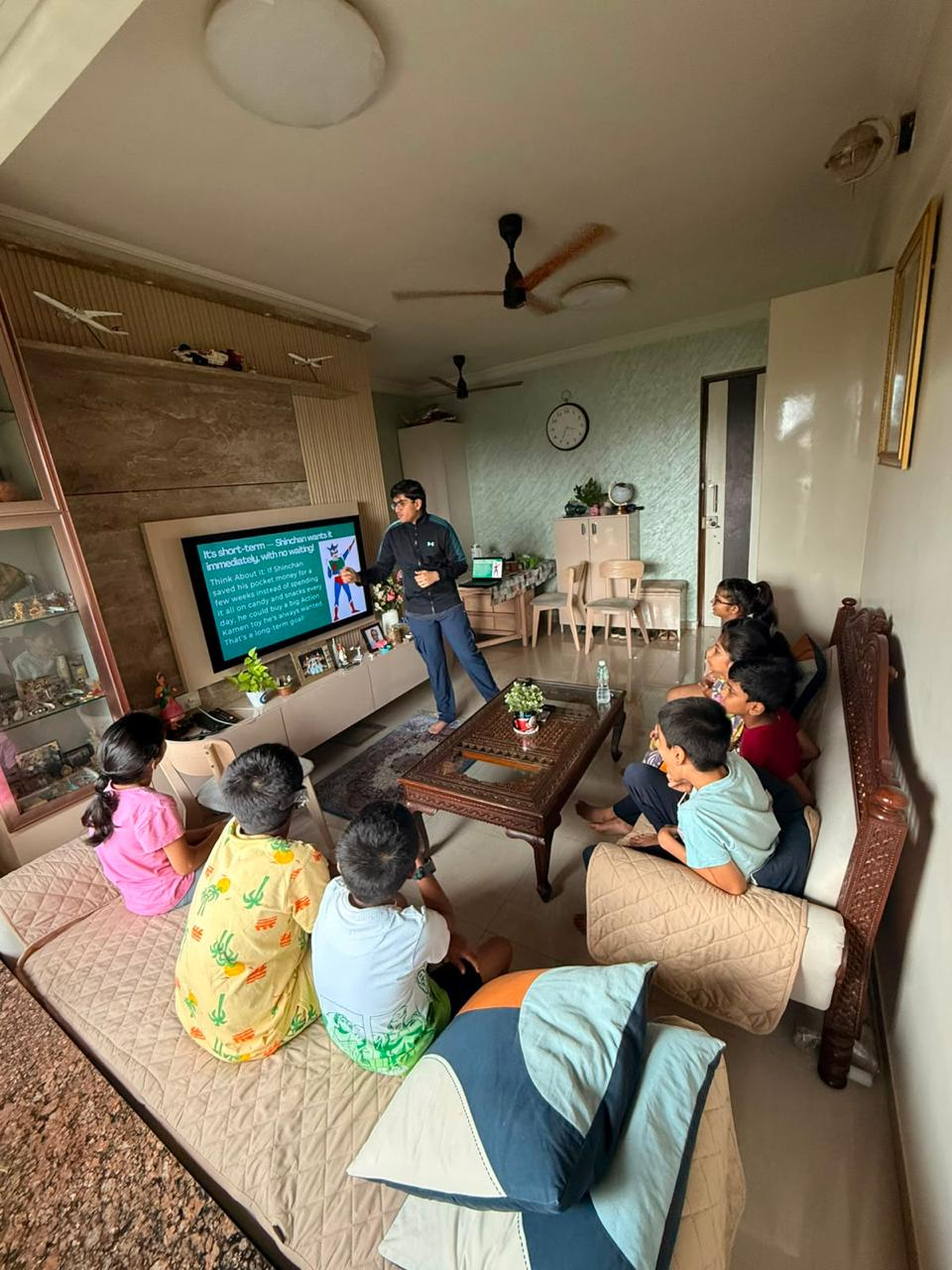
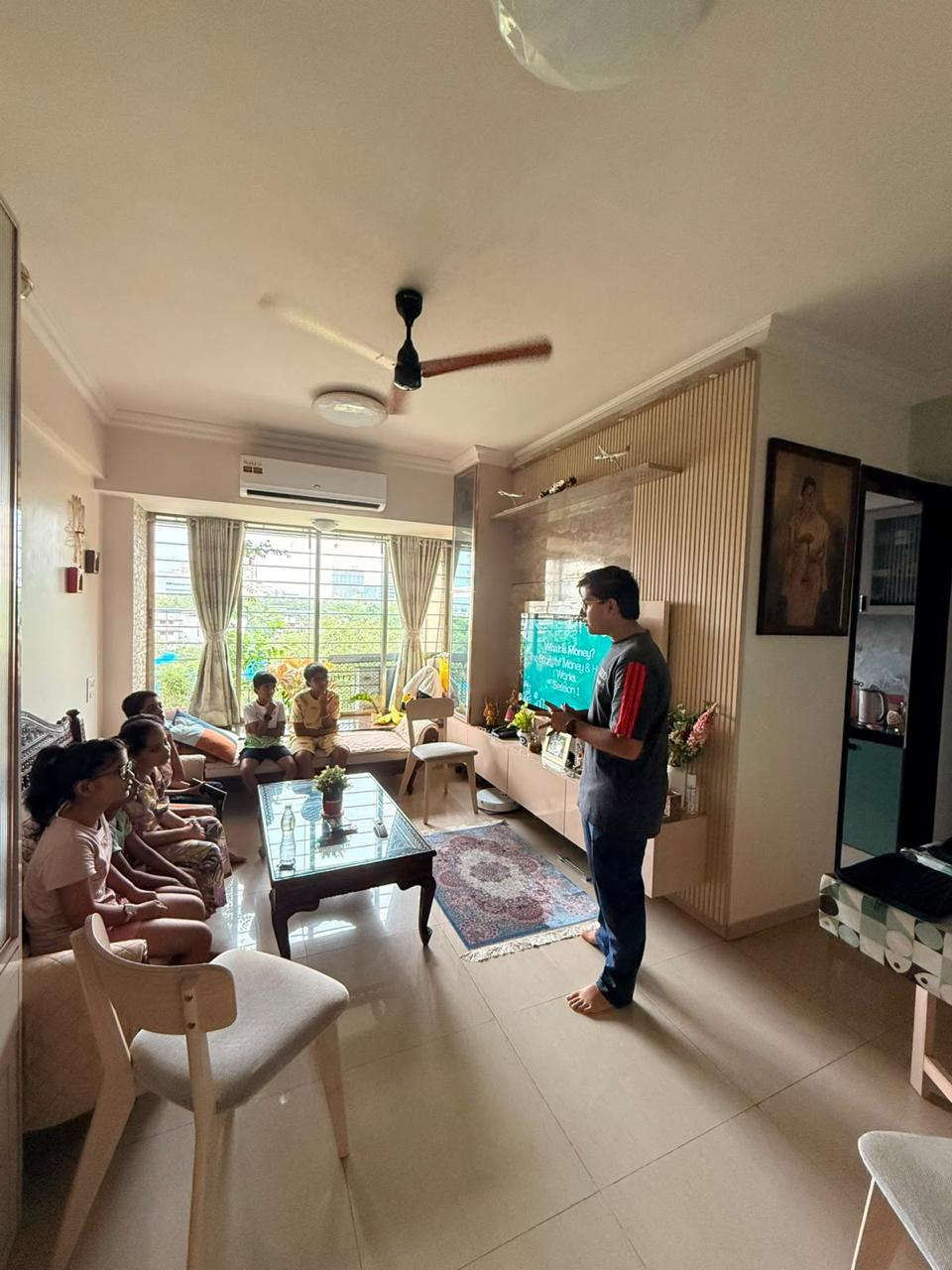
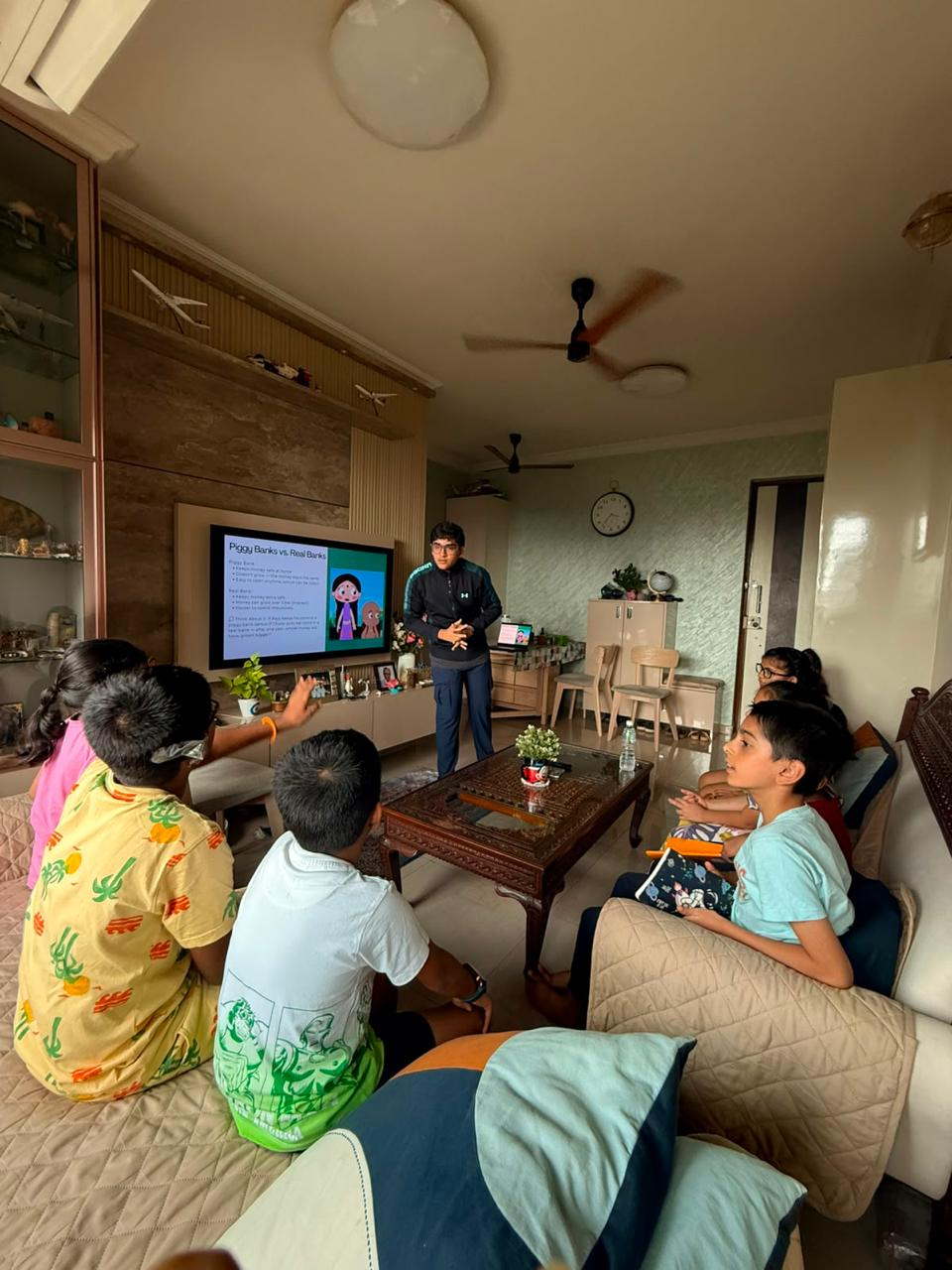
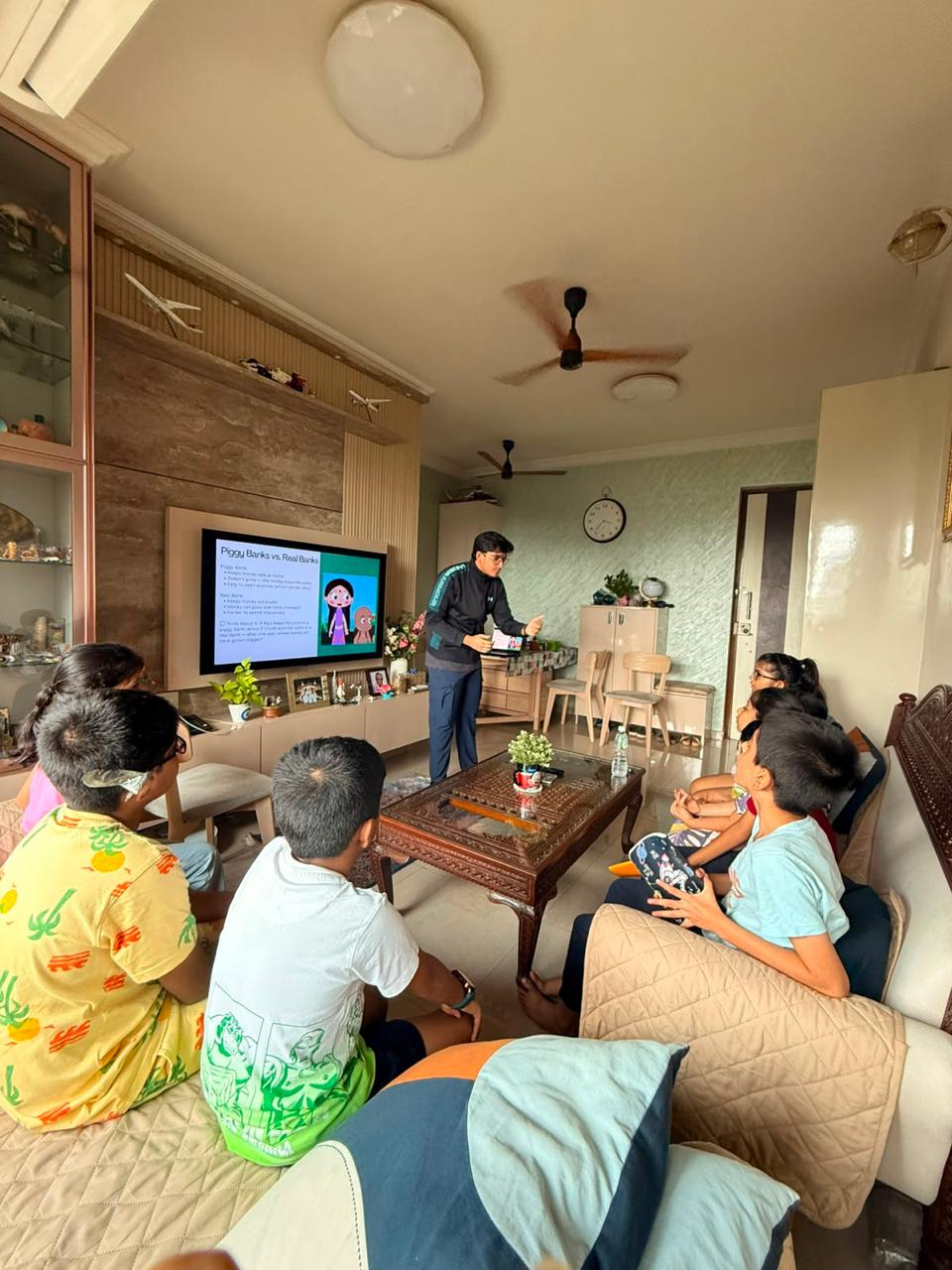
Throughout the session, we discussed a multitude of different segments of financial education.
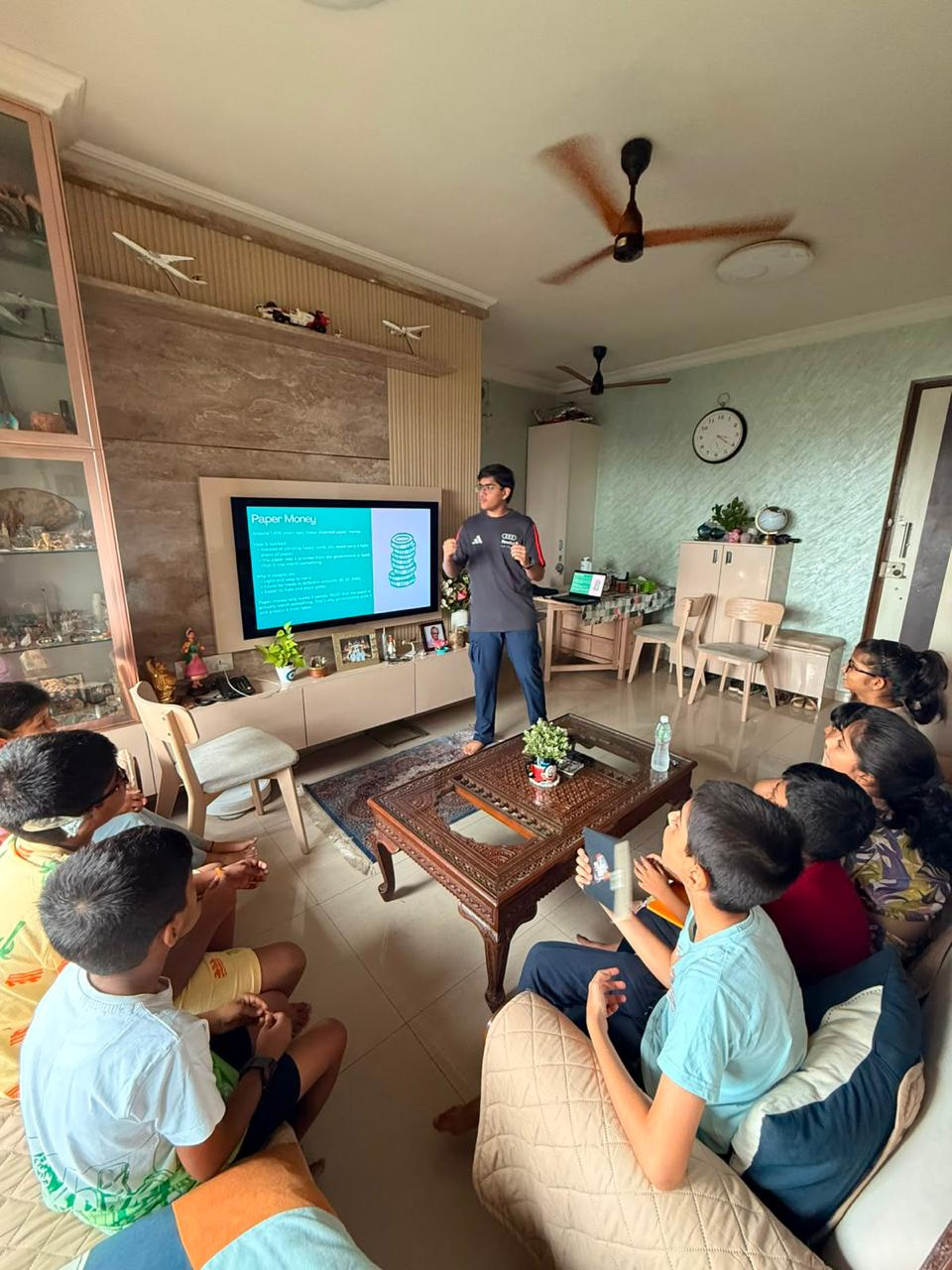
Initially, we talked about what money exactly is, how it has evolved, and the fundamental difference between price and value. Following this, we embarked upon discussing topics within saving, such as delayed gratification, long-term vs short-term goals, and simple and compound interest as well.
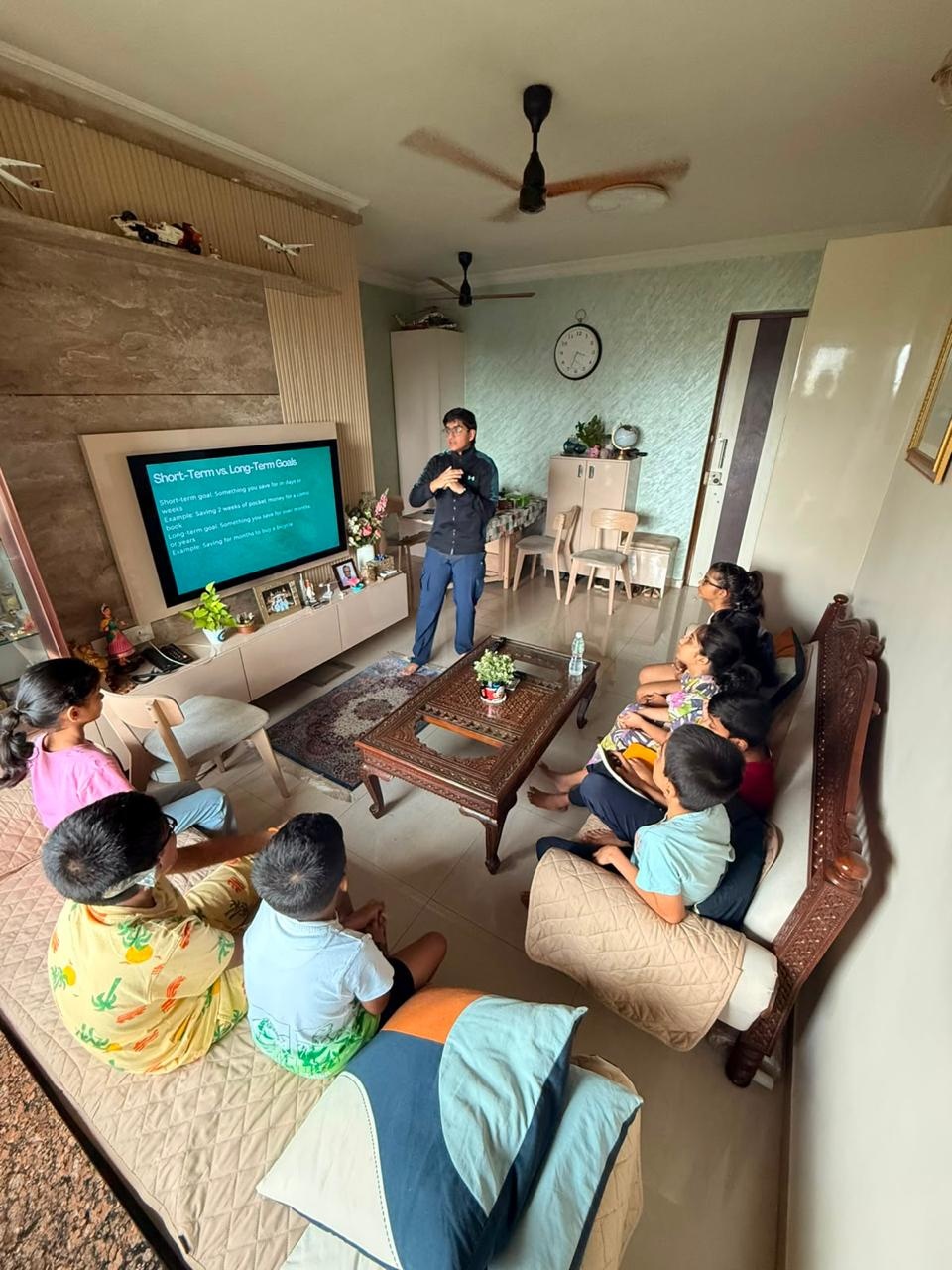
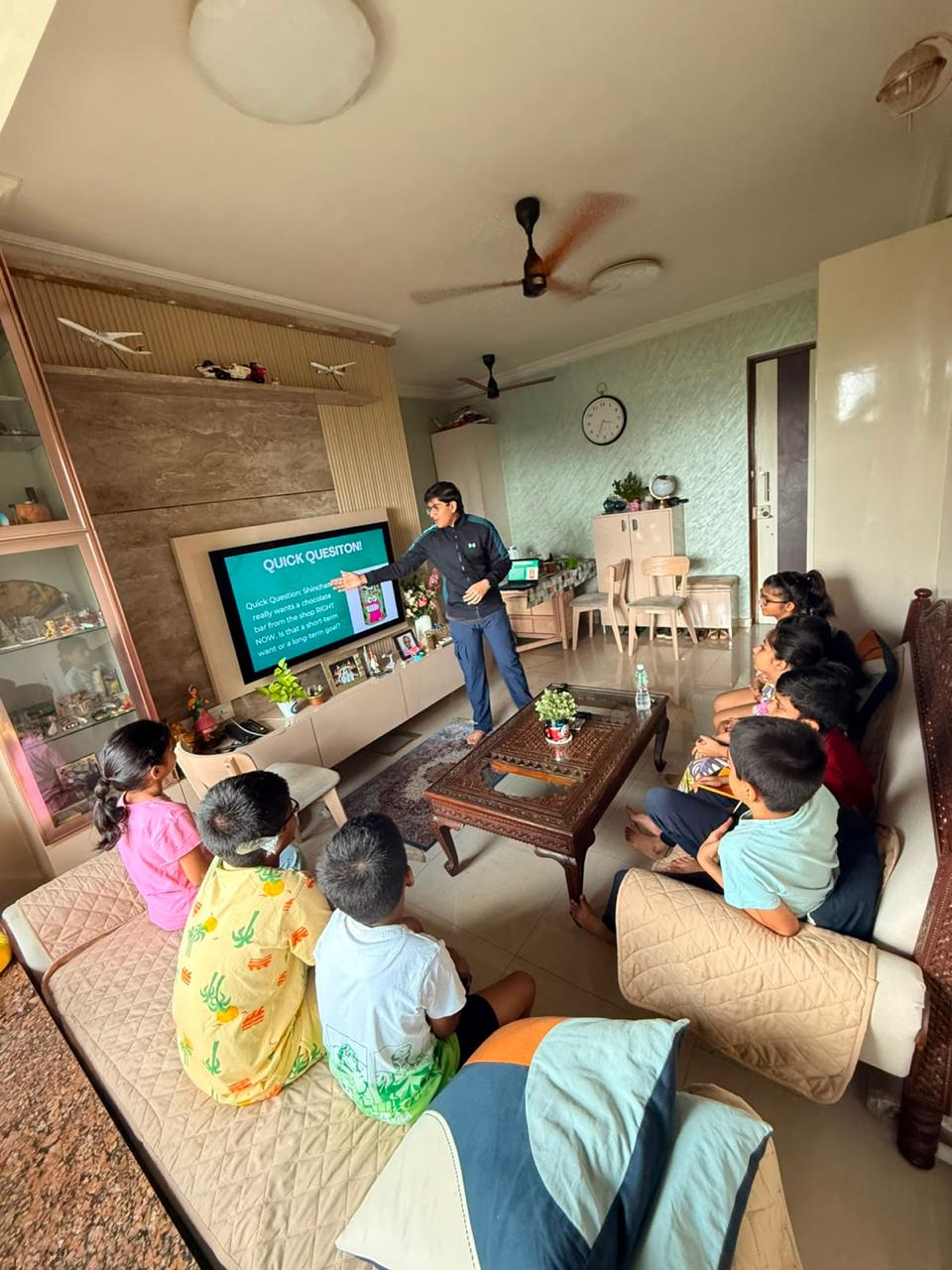
To keep the session interesting and interactive, I added specific interactive elements such as quizzes, examples, and images from cartoons which the children would’ve likely seen or currently would be watching. Furthermore, this was to retain their attention and to keep them interested, whilst also teaching them topics they would’ve likely not be exposed to in depth beforehand.
As the teacher in this session, I felt as if the roles were reversed.
Normally, I’d be the one sitting amongst a group of students and learning, but now I was the person who was imparting the knowledge. To be honest, I though retaining the children’s focus was going to be really difficult. Fortunately, however, they were really enthusiastic and engrossed throughout, making my job a lot easier. Additionally, what I felt was a clear distinction between knowing something and actually teaching it to someone else. Whilst teaching, I encountered a hoard of questions from the students, some of which I hadn’t even though of before. This led me to understand that teaching really widens your perspective of a particular topic, and enhances your understanding of it; due to the varied forms and styles of questions students ask.
04 / Why it matters
In India, the financial literacy percentage amongst adults ranges between 24% and 27%.
Essentially, this means that only about 1 in 4 adults attains valuable knowledge in this subject. And I can only imagine how much lower this statistics plumets when this conversation focuses on children. Hence, in my effort to spread financial literacy, I have chosen to do these sessions.