FINLIT · Field Note 05 · Neighborhood
Fourth, Fifth, and Sixth Neighborhood FINLIT Sessions

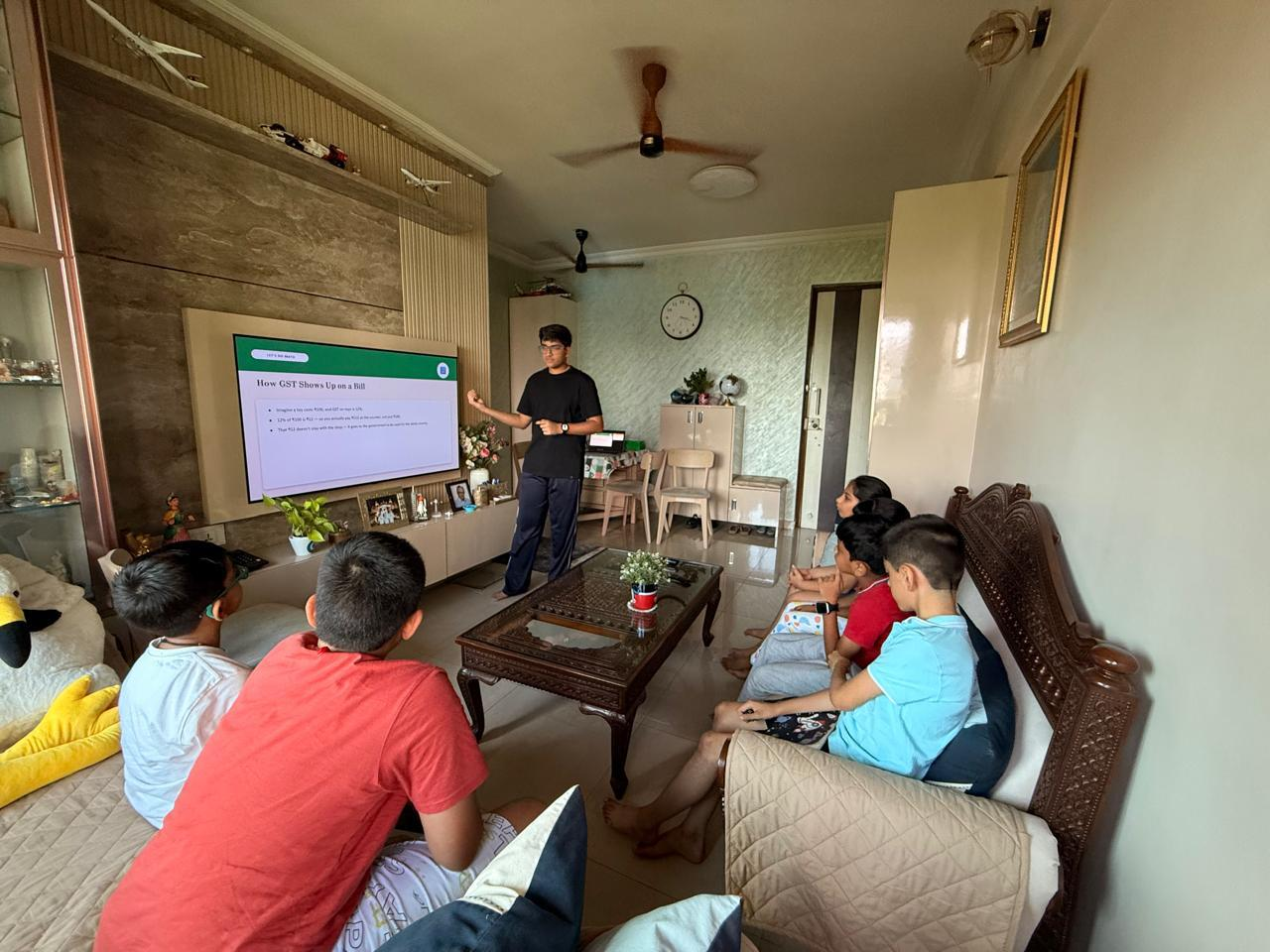
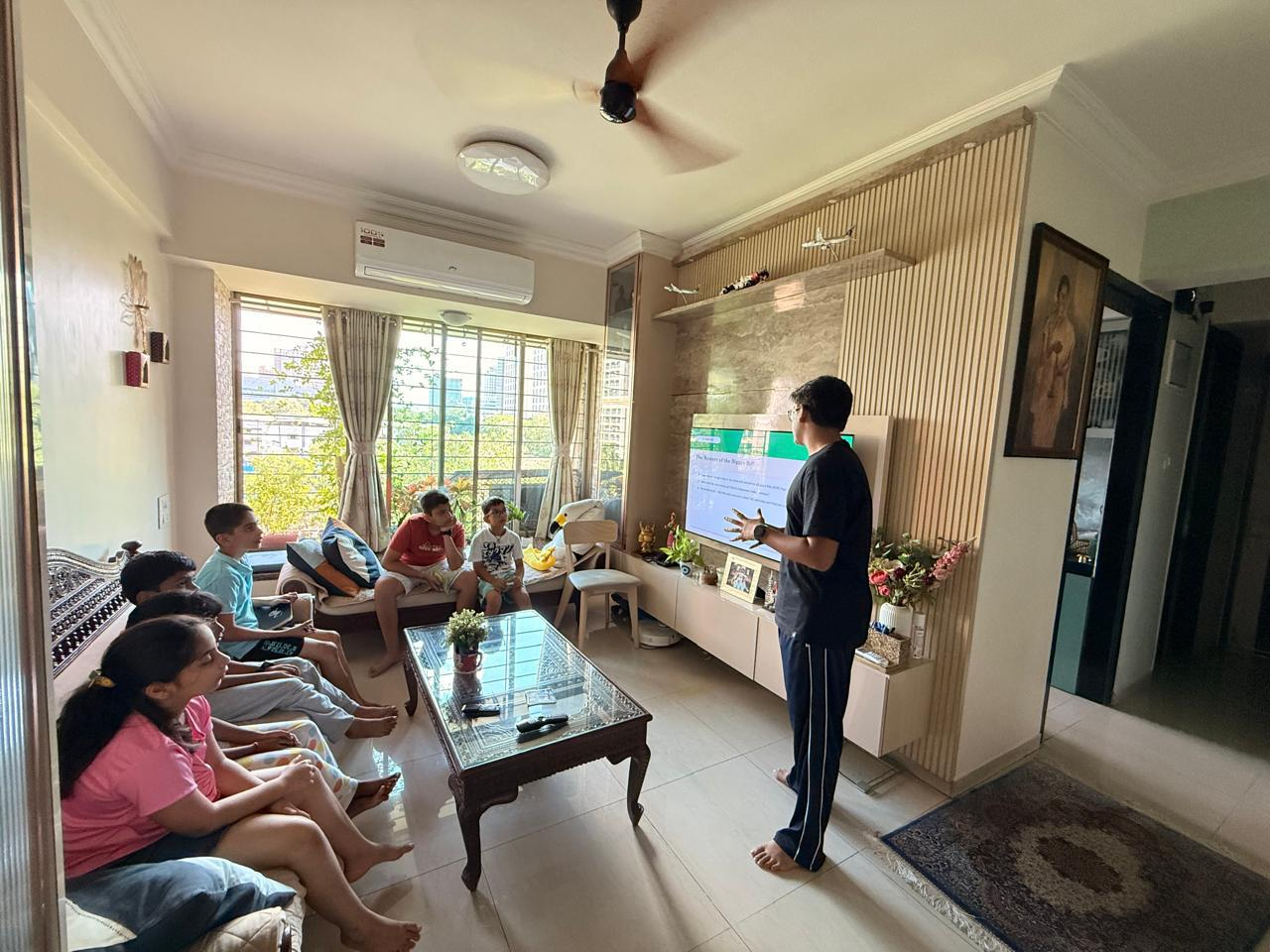
Across the last few weeks, I hosted 3 financial literacy sessions at my home. These were the 4th, 5th, and 6th sessions of my FINLIT sessions in my neighborhood.
In these sessions, we discussed topics deeper than money and currencies. These ones really cleared a lot of the foggy understanding that these children had on more complex financial topics.
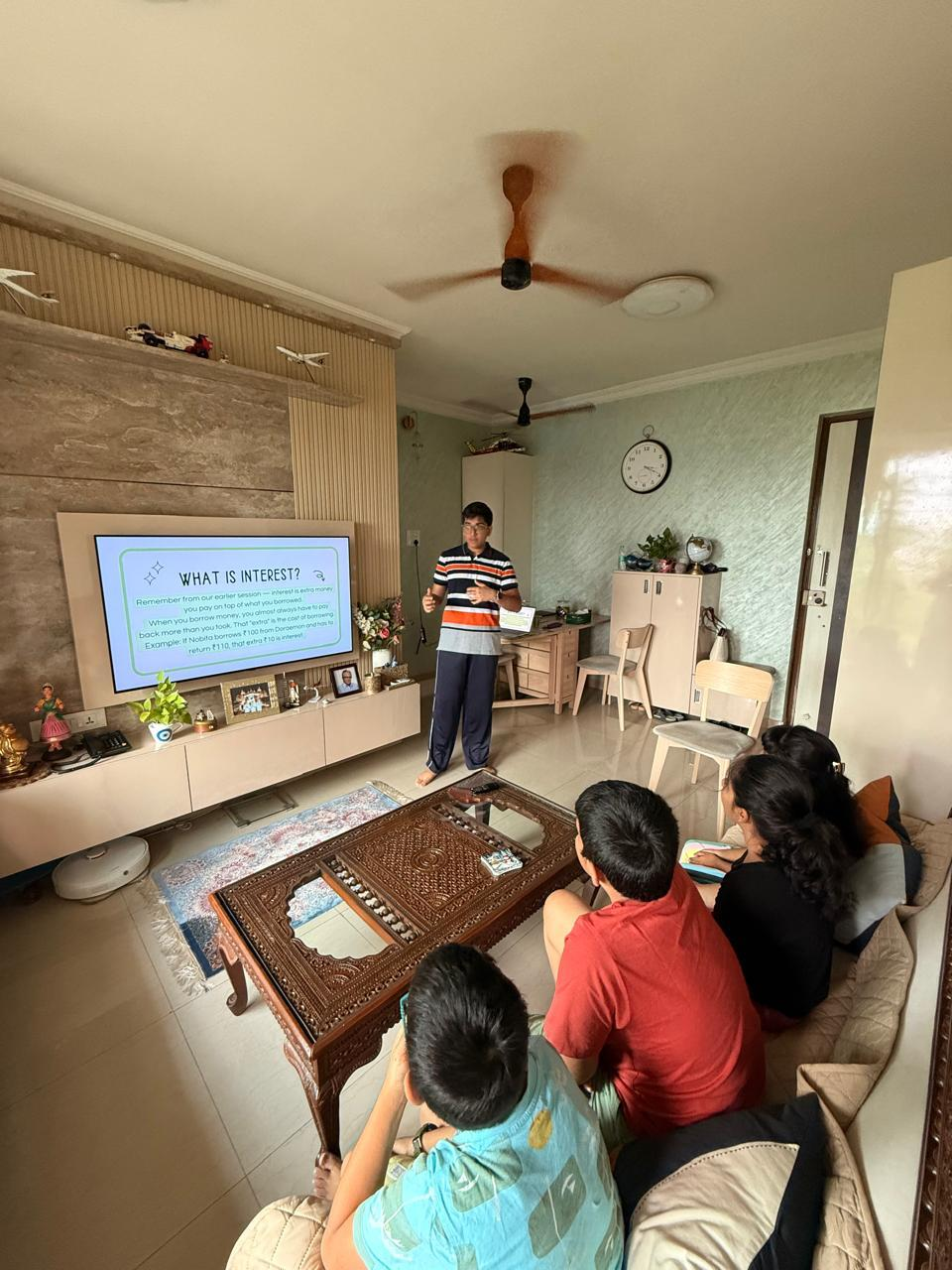
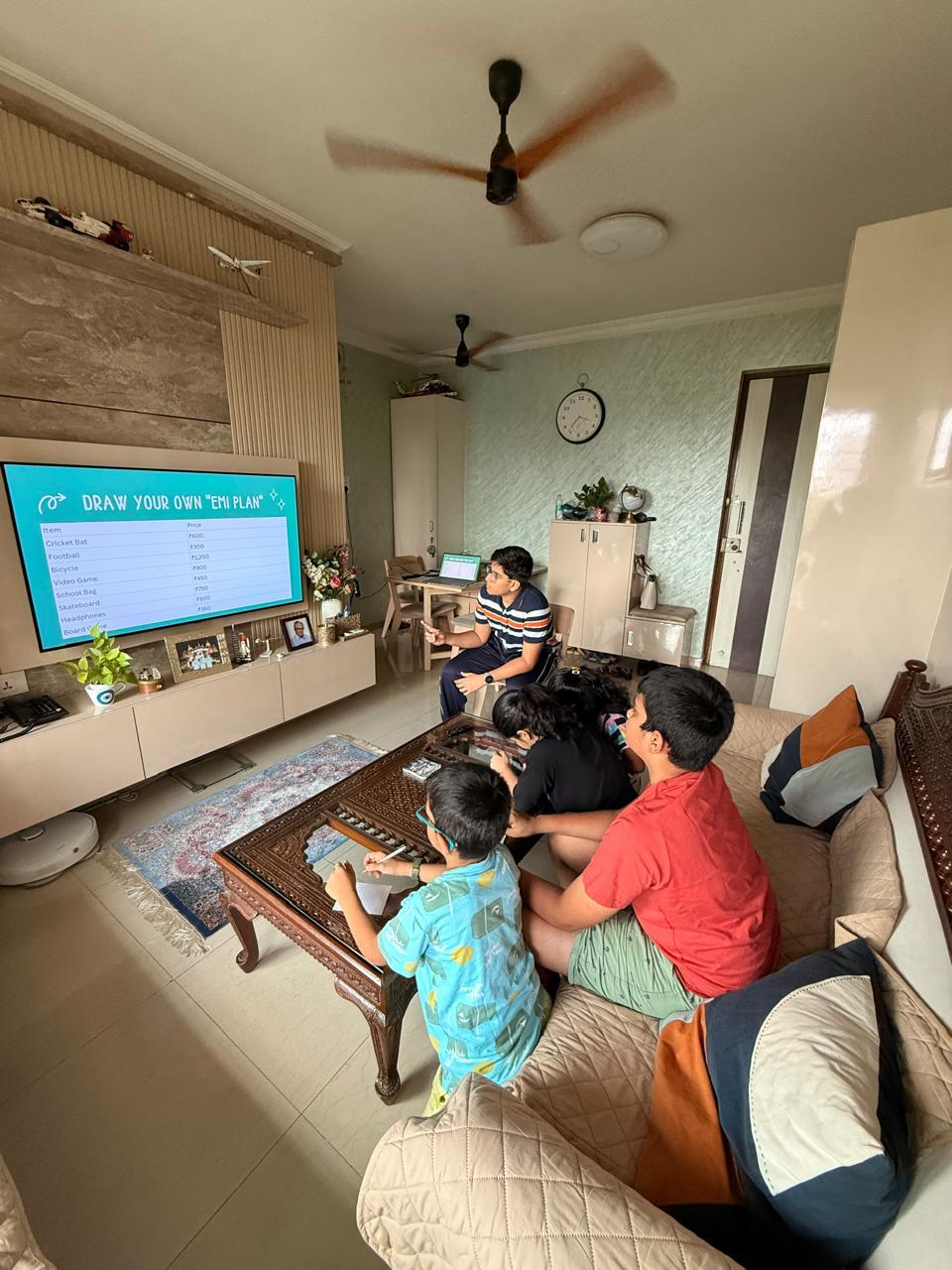
To begin with, we delved into the world of debt in the 4th session. We kicked off by discussing what exactly debt is, why people end up with significant sums of debt, and how simple and compound interest works.
Furthermore, I spoke to them about what Equated Monthly Instalments are, and how they work.
Their simple, yet intriguing questions like “Why do EMIs exist?” truly made me feel as if I was imparting useful knowledge to those who’d actually understand and make use of it in the future.

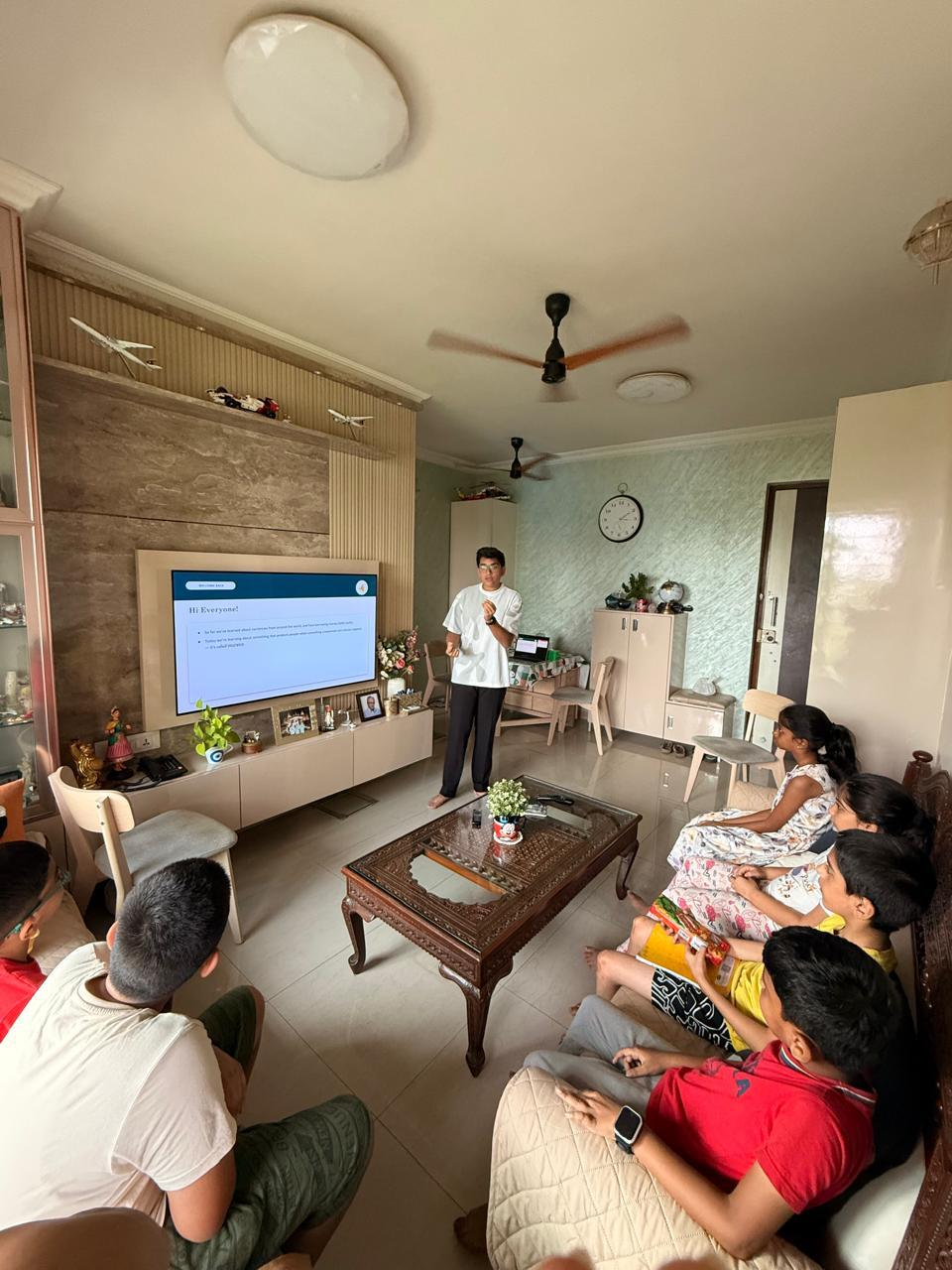
Moving ahead, the 5th session revolved around insurance. I decided to teach them about this topic since it goes hand in hand with financial protection, and it is something they are extremely likely to come across in their respective futures, regardless of what they do for a living.
We began by talking about some keywords, like premiums. Next, I explained to them how claims work, and what the process is roughly like.
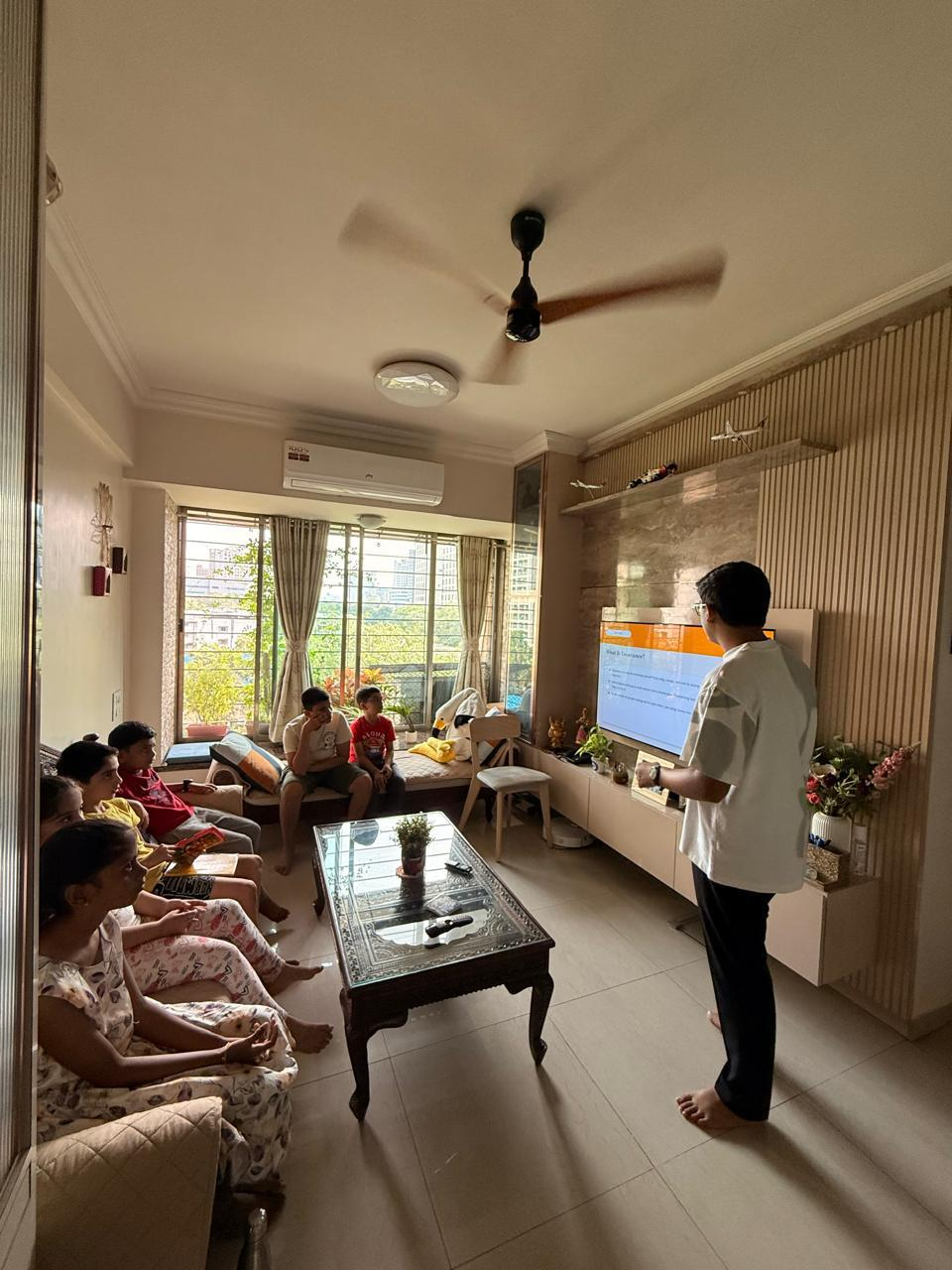

Finally, in the 6th and ultimate session of these FINLIT sessions, I taught them about something they would probably never avoid; taxes.
When I initially spoke to them about it, they seemed to be well-versed with the term, but unaware of its meaning or application in the real world. We proceeded to dissect the topic, by discussing the difference between direct and indirect taxes, and speaking about examples like GST and VAT.
05 / What teaching taught me
As somewhat of a teacher in these last 6 sessions, I felt that I had developed a much better understanding of certain topics myself.
Because some questions that they’d asked were things that I hadn’t even thought about before. Additionally, I truly think that I’ve improved my skills in explaining concepts to those who know nothing about them, and teaching in general.